





How to integrate battery storage with micro inverter off grid?
- 1. How do micro inverters function in off-grid solar systems?
- 2. What are the advantages of using micro inverters in off-grid applications?
- 3. What challenges arise when integrating micro inverters with battery storage in off-grid systems?
- 4. How can I ensure compatibility between micro inverters and my off-grid battery storage system?
- 5. What maintenance practices are recommended for micro inverters in off-grid systems?
- 6. What are the common issues with micro inverters in off-grid systems, and how can they be addressed?
1. How do micro inverters function in off-grid solar systems?
Micro inverters are devices that convert direct current (DC) from individual solar panels into alternating current (AC). In off-grid systems, they operate by generating a stable AC waveform, which is essential for powering household appliances and charging batteries. This setup ensures that each panel operates independently, maximizing energy harvest and system resilience. However, it's crucial to implement an AC-coupled architecture, where a grid-forming inverter creates a stable AC microgrid, allowing micro inverters to synchronize and function effectively. This configuration addresses the challenge that standard micro inverters are typically grid-following devices and require a stable AC sine wave to operate.
2. What are the advantages of using micro inverters in off-grid applications?
Micro inverters offer several benefits in off-grid settings: they enhance energy yield by optimizing each panel's performance, especially in partial shading conditions; they provide detailed monitoring capabilities, allowing for quick identification and resolution of issues; and they improve system resilience by isolating faults to individual panels, preventing widespread system failures. These advantages make micro inverters a compelling choice for off-grid solar installations.
3. What challenges arise when integrating micro inverters with battery storage in off-grid systems?
Integrating micro inverters with battery storage in off-grid systems presents challenges such as efficiency losses due to the double conversion process (DC to AC by micro inverters, then AC to DC by battery chargers), increased system complexity, and higher costs. Additionally, ensuring compatibility between micro inverters and battery management systems is essential to prevent issues like overcharging or deep discharging, which can damage batteries. Proper system design and component selection are crucial to mitigate these challenges.
4. How can I ensure compatibility between micro inverters and my off-grid battery storage system?
To ensure compatibility, select micro inverters designed for off-grid applications and capable of AC coupling with battery storage systems. Verify that the micro inverters' output voltage and frequency align with the battery system's input requirements. Additionally, ensure that the battery management system (BMS) can communicate effectively with the micro inverters to manage charging and discharging cycles appropriately. Consulting with manufacturers or system integrators can provide guidance tailored to your specific setup.
5. What maintenance practices are recommended for micro inverters in off-grid systems?
Regular maintenance practices include: inspecting and cleaning solar panels to remove debris that can obstruct sunlight; checking all electrical connections for signs of wear or corrosion; monitoring system performance through available software or apps to identify any anomalies; and ensuring that micro inverters are operating within their specified temperature ranges to prevent overheating. Proper maintenance helps extend the lifespan of micro inverters and ensures optimal system performance.
6. What are the common issues with micro inverters in off-grid systems, and how can they be addressed?
Common issues include: overheating due to inadequate ventilation, which can be mitigated by ensuring proper airflow around the inverters; electrical surges from lightning or grid instability, which can be protected against by installing surge protection devices; and moisture ingress leading to corrosion, which can be prevented by ensuring that all seals and enclosures are intact and by installing the inverters in dry locations. Regular inspections and prompt attention to these issues can prevent system downtime and costly repairs.
In conclusion, integrating micro inverters into off-grid solar systems offers significant advantages, including enhanced energy efficiency and system resilience. However, careful consideration of system design, component compatibility, and regular maintenance is essential to maximize these benefits and ensure reliable operation. For personalized advice and a detailed quote tailored to your specific needs, please contact us at info@csinverter.com or visit our website at www.csinverter.com.


Modified Sine Wave Inverters
What is the benefit of the UPS function? A2:
It automatically switches to battery power when AC fails.
Can this inverter support both 12V and 24V inputs
Yes, it can work with different voltage systems via selectable input terminals.
Can other input voltages be customized?
Yes, the regular is DC12V, and DC24V, etc. can be customized. Please consult customer service for details.
How many devices can it power at the same time?
Dual universal sockets + two USB ports can power multiple devices (such as two home appliances + two mobile phones) at the same time, as long as the total power does not exceed 600W.
Pure Sine Wave Inverters
What happens if the positive and negative poles are reversed when connecting the battery?
The device features built-in reverse polarity protection. If the positive and negative terminals are connected incorrectly, the circuit will automatically disconnect to prevent damage to the equipment. Simply adjust the battery clip connections (red clip to positive terminal, black clip to negative terminal), then restore power to resume normal operation.
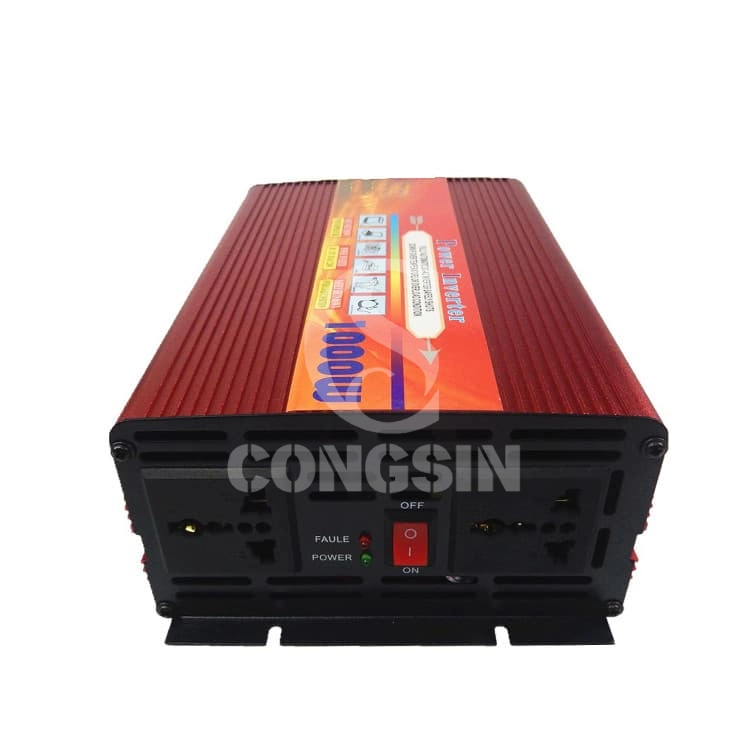
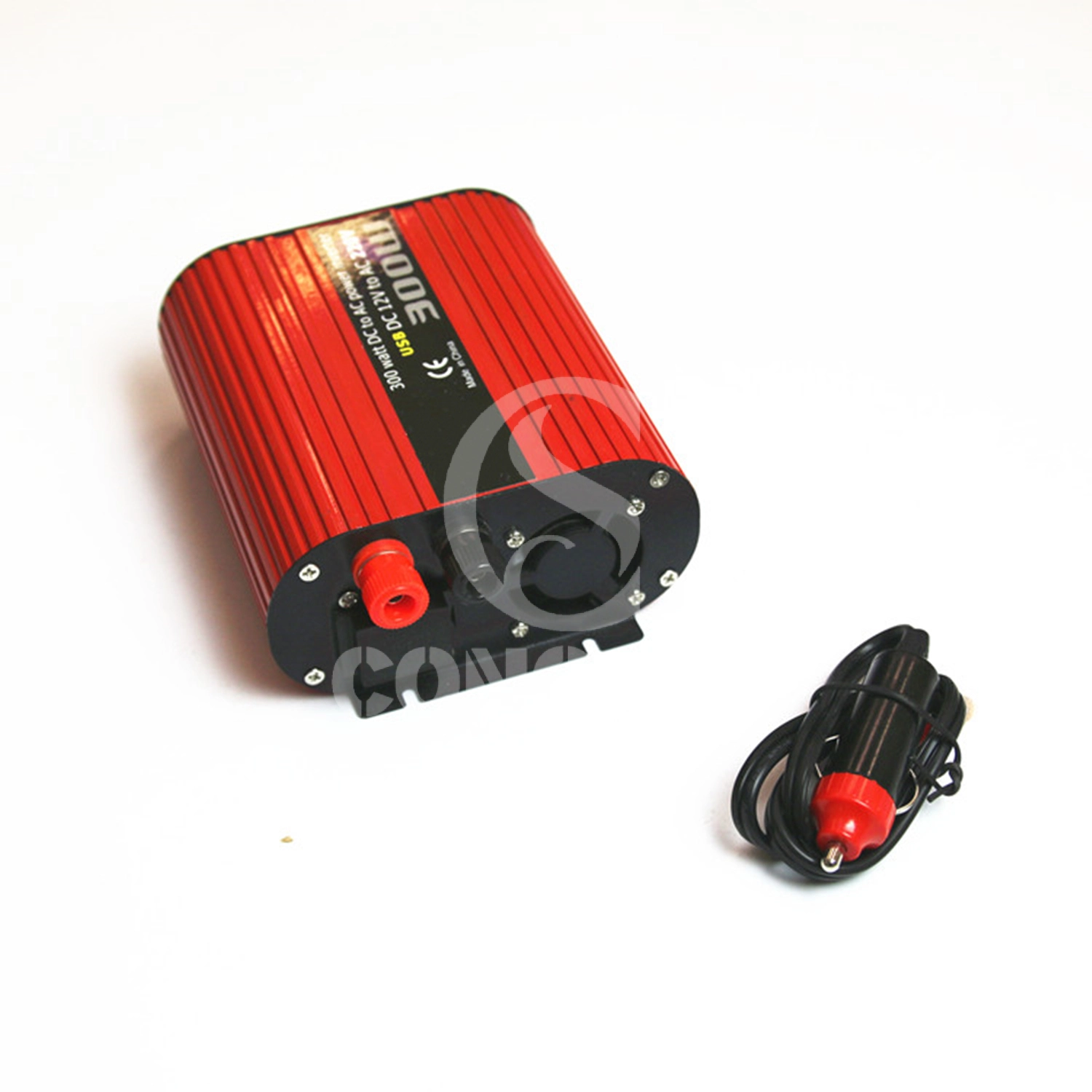
Congsin's Portable 150W Modified Sine Wave Inverter powers your journey! This versatile Car Power Inverter with USB acts as a reliable 12V to 220V converter, ensuring an essential off-grid power supply. With dual USB ports and a universal socket, enjoy convenient power on the go.
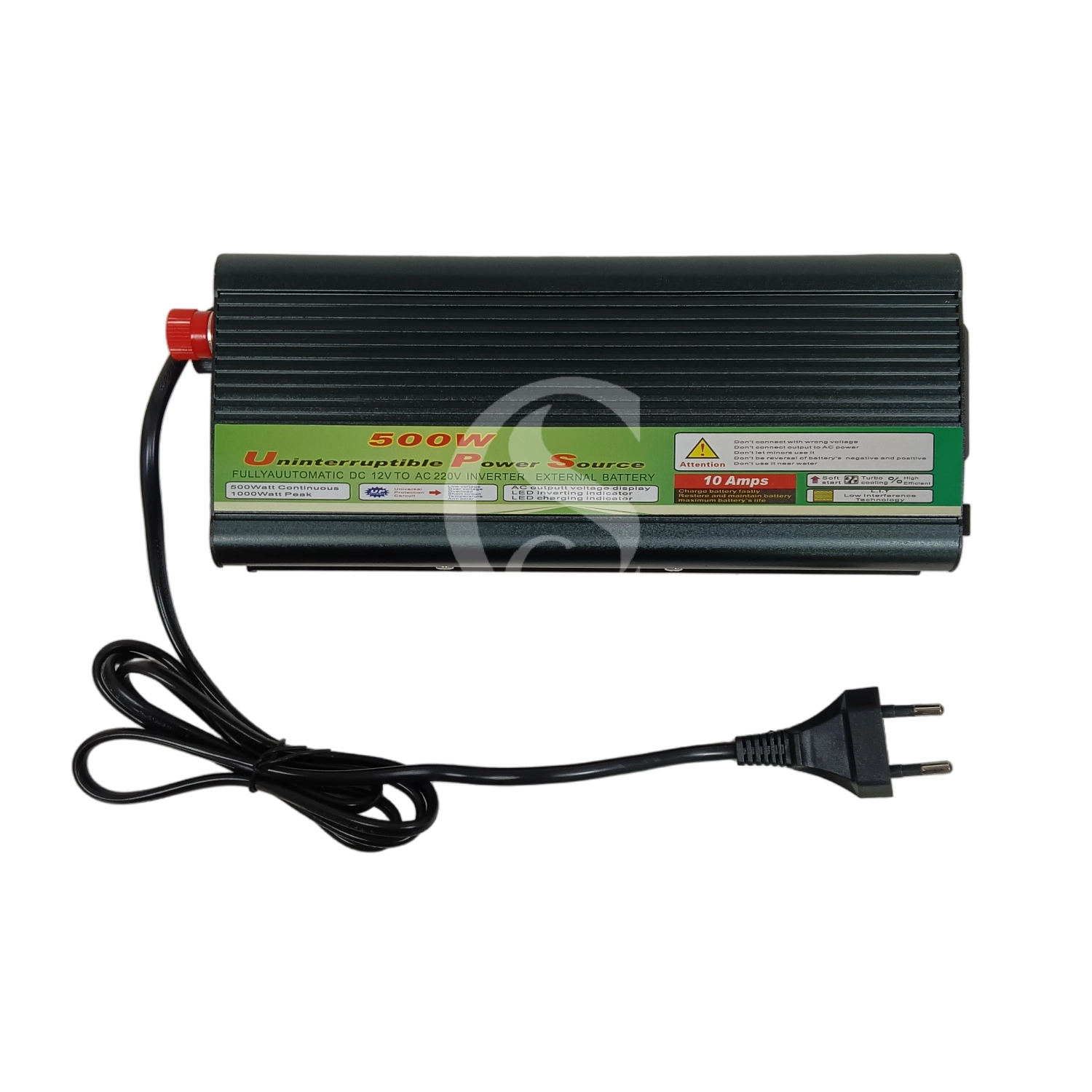
Congsin 500W 12V to 220V inverter delivers reliable off-grid power with its modified sine wave design. This portable 500W DC to AC power inverter efficiently converts 12V DC to 220V AC, ideal for outdoor and emergency use. Trust Congsin for stable, portable energy solutions.
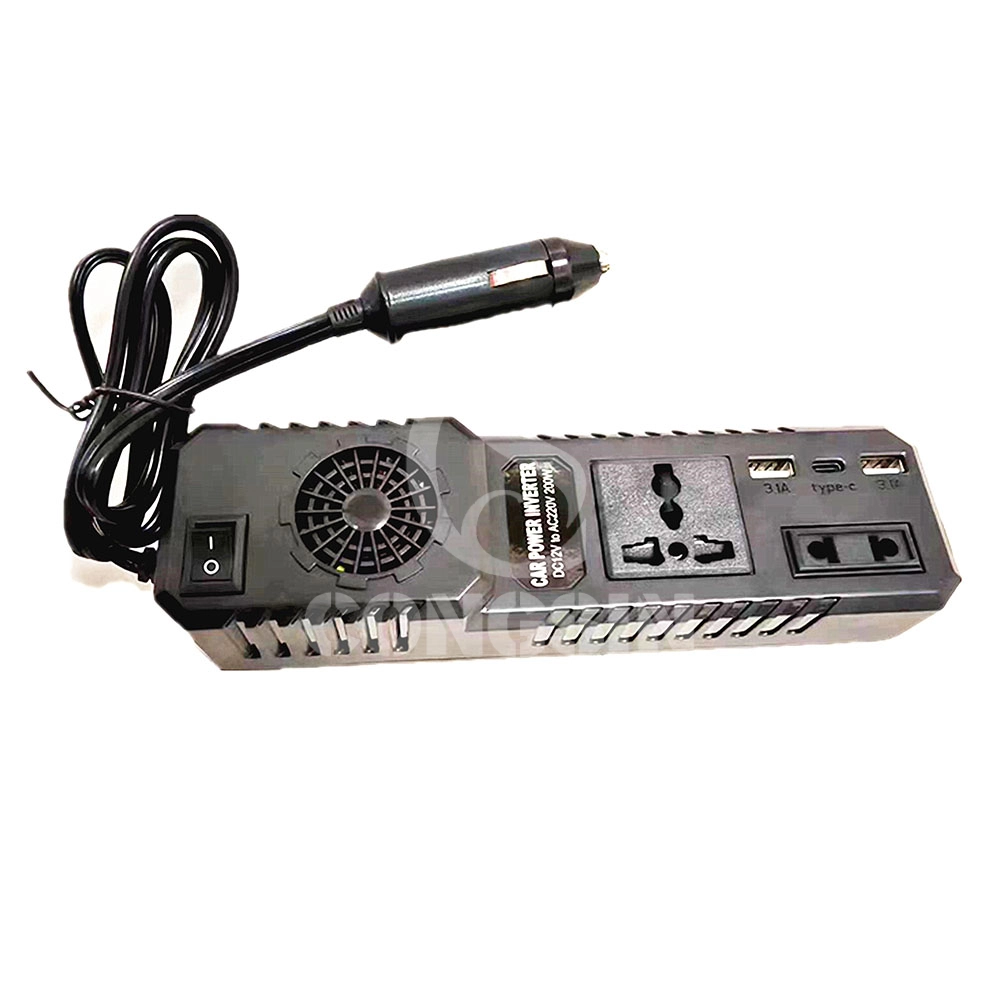
This 200W Modified Sine Wave Car Power Inverter is a compact and practical power conversion device designed for vehicle use. It supports dual input (DC12V/24V) and outputs AC220V, compatible with various electronic devices. Equipped with a Type-C port and dual 3.1A USB outputs, it can charge laptops, phones, cameras, drones, and other small electronics simultaneously—perfect for outdoor travel, emergency backup, and mobile work scenarios.
Get in Touch with Our Team
You can also communicate with us directly through our online contact form. Please fill in the following information, and our team will contact you as soon as possible after receiving your message.

CONGSIN is a trusted OEM factory for power inverters, solar charge controllers, and DC converters. Reliable solutions for global B2B buyers.
 High Quality
 7/24 Service
 Guaranteed Warranty
© 2025 Congsin. All Rights Reserved.
 WeChat
 Scan QR Code
sin cong
teaimei10
Whatsapp: +8618028086791
Scan QR Code